How to Choose an Adult Day Program in Gulfport
A practical guide for families, caregivers and support coordinators weighing adult day programs around Tampa Bay.
October 13, 2026 · 4 min read
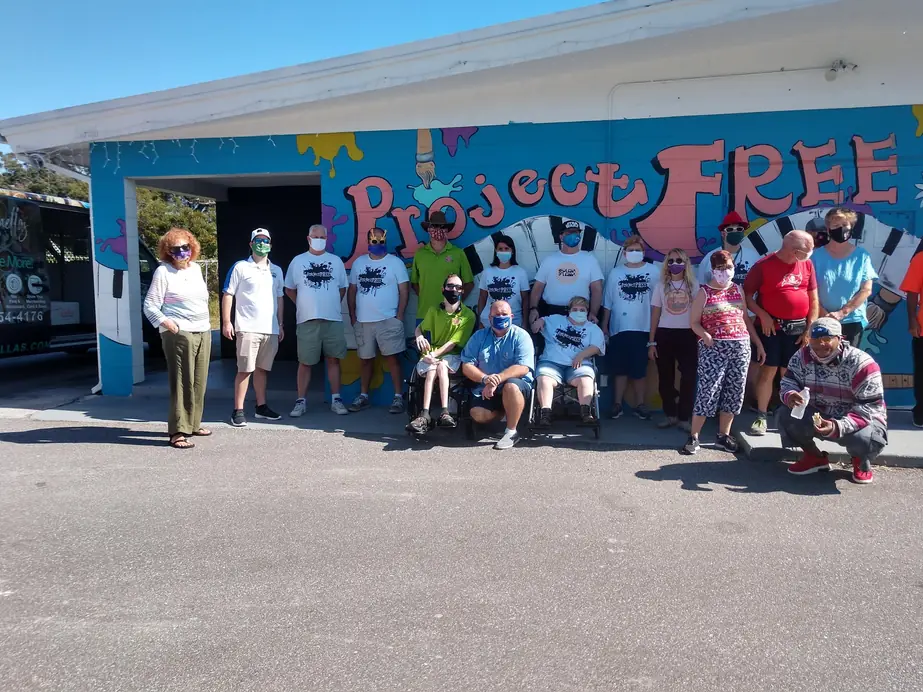
Choosing a day program for an adult you love is a big decision, and most of us make it with a pile of brochures and not much time. This guide is for families, caregivers and support coordinators in Gulfport, St. Petersburg and the wider Tampa Bay area. It won't tell you which program to pick. It will give you better questions to ask, and a way to read what a day actually feels like once you walk through the door.
Start with the person, not the program
Before you tour anywhere, write down what the adult at the center of this decision wants out of a day. Some people want to be around music. Some want to make things with their hands, cook, garden or learn to manage money. Some mostly want friends, and a reason to get up in the morning. That list matters more than any brochure.
Ask the adult directly, in whatever way they communicate best, and bring them on the visit if they're willing. Notice where they slow down and look around. Notice where they light up, and where they pull away. A person's reaction to a room will tell you things a checklist can't.
Look at the shape of the day
A good adult day program has a rhythm people can learn. Predictability is not boring. For many adults it is what makes everything else possible, because knowing what comes next frees up energy for trying something new. It also lets families plan their own week.
ProjectFREE, a not-for-profit performing arts and day training program on 51st Street South in Gulfport, publishes one running order for Monday to Friday: academics at 9:00, art at 10:00, lunch at 12:00 and music at 12:30. Whatever program you visit, ask for the weekly schedule in writing. Then ask what changes it. Outings, performances and weather all move things around, and you want to hear how the staff handle that.
Ask, too, how much of the day is spent making, learning or practicing, and how much is spent waiting. When you tour, watch whether people are doing something or simply being supervised. A program can look calm and still have nothing going on.
Questions worth asking on a visit
Take a notebook. Programs differ more than their websites suggest, and the answers are easier to compare when they're written down side by side.
- Can I see a typical week, and what happens when someone doesn't want to join an activity?
- How do people get to and from the program, and what happens when a ride is late or a plan changes?
- Where do community outings go, how often, and do the adults help choose?
- Who sets each person's goals, and does the adult and their family have a say?
- How will I hear about the day, and how quickly if something goes wrong?
- What funding does the program work with, and who can walk me through the paperwork?
Don't skip the funding question. ProjectFREE says its programs are state funded through Florida's Agency for Persons with Disabilities, and it does not publish fees on its site. Whether a program fits your situation depends on details only the program and your support coordinator can confirm, so ask early and ask plainly.
Transportation and getting out into the community
Transport is the quiet deal breaker. A program can be perfect on paper and still not work if the ride doesn't. ProjectFREE lists transportation to and from its programs and events among its services. Whatever you're considering, ask who drives, how pickup windows work, and what the plan is when a family needs to make a last-minute change.
Community outings deserve the same attention. They are where classroom skills get tested against real life: ordering at a counter, waiting a turn, handling a crowd. ProjectFREE's Life Skills 3 outings include fishing, bowling, nature hikes, movies and local festivals. When you visit anywhere, ask what outings look like in a normal month and whether people are asked where they'd like to go.
Trust what you see
Watch how staff speak to adults. They should be talking to people as adults, by name, with patience and no baby talk. Look at the walls and the shelves: whose work is on display? A program that shows what its members make, and not stock posters, is usually one that takes their work seriously.
Pay attention to the other members too. Do they look comfortable? Are they talking to each other as well as to staff? Then, if you can, go back for a second visit at a different time of day. One tour shows you the program's best foot. Two start to show you the whole person.
If you'd like to see ProjectFREE in Gulfport, call (727) 603-0595 or send a message through the contact page, and ask about a visit and what a week looks like. No hours are published on the website, so a call is the quickest way to find out when someone can show you around.
ProjectFREE, (727) 603-0595
Call (727) 603-0595More articles
Why Music Builds Life Skills for Adults with Diverse Abilities
Rehearsing a song with other people trains habits that carry into everything else in a day.
Why Artists Keep 100% of Sales at ProjectFREE
Making art is one skill. Being paid for it, in full, is another, and it changes how the work is treated.